California Earthquake Retrofits: Strengthening Your Home for Long-Term Safety
An Informative Guide for Homeowners Concerned About Foundation Stability and Earthquake Risk
The beautiful scenery of California comes with a sobering geological reality of its own: earthquakes are part of life here. Southern Californians live near the Pacific and North American tectonic plates, one of the most seismically active areas in the world. Over 20 million Californians live in places where strong shaking is not just possible but likely over many years.
Given this degree of risk, many homeowners have started to take a closer look at the physical safety of their homes, particularly older properties with raised foundations or crawl spaces. Earthquake retrofitting has emerged as one of the successful measures to reduce earthquake damage and enhance long-term home safety.
This guide explains what an earthquake retrofit is, why it’s important, which upgrades are usually needed, and how homeowners can decide if their home needs structural reinforcement.
What Is an Earthquake Retrofit?
During an earthquake, the shaking begins in the ground and transfers upward into a building’s foundation. The forces don’t spread evenly; instead, they concentrate on the stiffest, most load‑bearing parts of the foundation. If those areas are strong enough, they absorb and redirect the energy, keeping the structure stable. But if the supports are weak or poorly connected, the forces bypass them, localizing stress where the foundation is stiffest and causing failures at weaker points. When no adequately stiff area exists to resist the motion, the energy dissipates unpredictably through the structure, often leading to damage or collapse. This is why retrofitting focuses on reinforcing connections and bracing weak spots, so the home can channel seismic forces safely rather than letting them exploit vulnerabilities.
Top earthquake strengthening techniques:
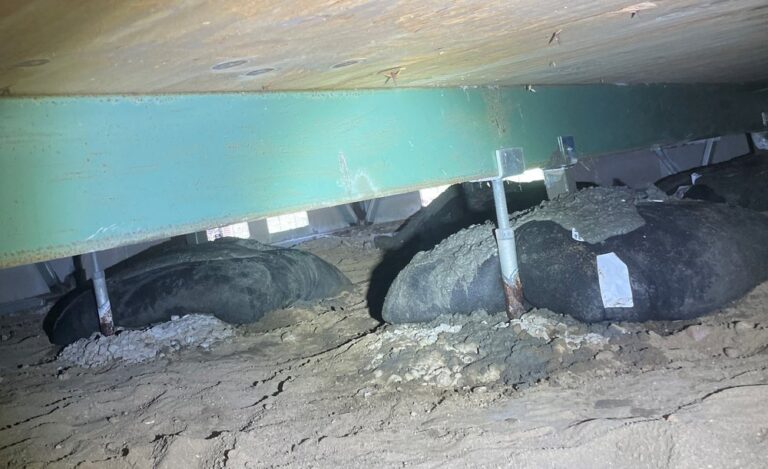
- Steel bracing to prevent cripple walls from collapsing and to make them stronger.
- Extra pier supports to ease load distribution.
- Foundation supporting systems used to link the framing to the foundation securely.
- Bolting and bracketing to prevent the home from sliding off the foundation.
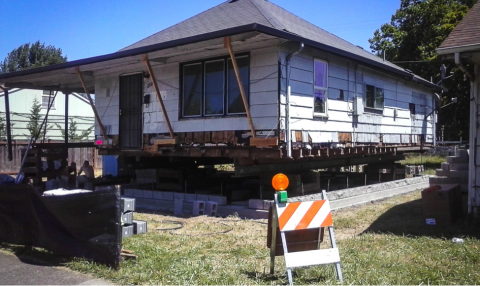
Such upgrades are particularly critical for homes with crawl spaces, pier-and-post systems, or old concrete foundations not designed with contemporary seismic forces in mind.
Why Earthquake Retrofits Matter
Retrofitting is one of the most intelligent investment choices California homeowners can make. No structure can ever be entirely impervious to earthquake damage; however, retrofitted houses perform much better in severe shaking of any kind.
Increased Structural Stability
Homeowners must be aware that homes without anchoring or reinforcement are extremely vulnerable in even less severe earthquakes. The most common failure is the structure sliding off its foundation—an event that can cause catastrophic damage. A retrofit improves stability by strengthening the connections that hold the house in place.
Lowered Risk of Catastrophic Damages
Repairing damage from earthquakes is far more expensive than preventive reinforcement. Retrofitted homes experience less cracking, shifting, or structural deformation, saving homeowners tens of thousands of dollars after major incidents.
Improved Safety for Residents
A safer home protects the people inside it. Buildings with reinforced walls, anchored frames, and stabilized foundations decrease the likelihood of collapse, falling structures, and dangerous displacement.
Enhanced Home Value and Buyer Confidence
Buyers in California frequently seek retrofitted homes specifically. A documented retrofit can make a home more desirable, easier to sell, and—depending on what insurance policy you have—eligible for insurance benefits.
Peace of Mind
Living in an earthquake-prone region is stressful when you are unsure about the condition of your home’s foundation. Retrofitting provides confidence that your structure is prepared for future events.
Does Your Home Require an Earthquake Retrofit?
Not all homes require seismic upgrades, but certain structures are at higher risk of serious damage during a quake. Your home may need a retrofit if it has any of the following characteristics:
Older Construction (Pre-1980 Construction)
Many older houses aren’t designed with contemporary strengthening and tend to move or pull away from their foundations.
Crawl Space or Raised Foundation
Houses constructed on raised foundations may include cripple walls that can buckle or collapse without bracing.
Pier-and-Post or Manufactured Home Design
These structures rely on several small supports and are capable of swaying or tilting without auxiliary reinforcement.
Visible Foundation Problems
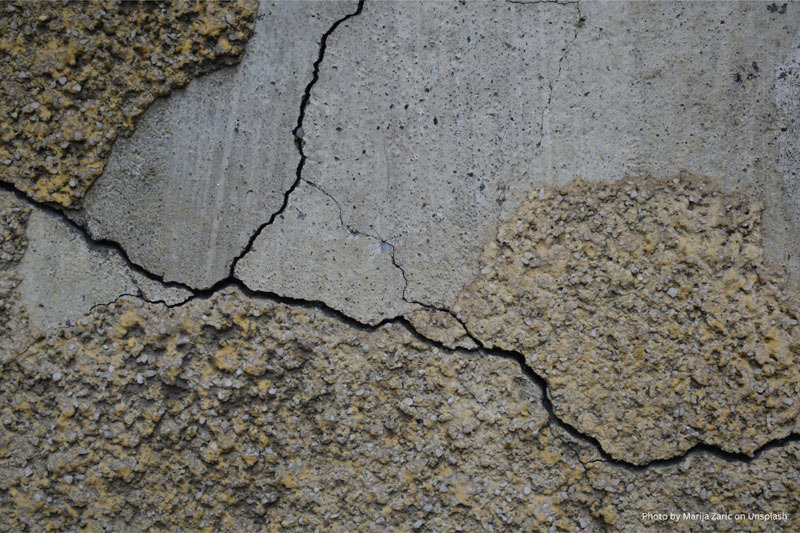
Cracks, sinking, moisture intrusion, or uneven floors may indicate underlying structural vulnerabilities.
Soft-Story Features
Houses with substantial openings on the ground floor (e.g., garages) may require additional reinforcement.
The best way to see whether your home needs retrofitting is to request a professional seismic evaluation. An experienced foundation contractor would find places where the system has been poorly serviced and recommend specific changes to improve stability for future safety and integrity.
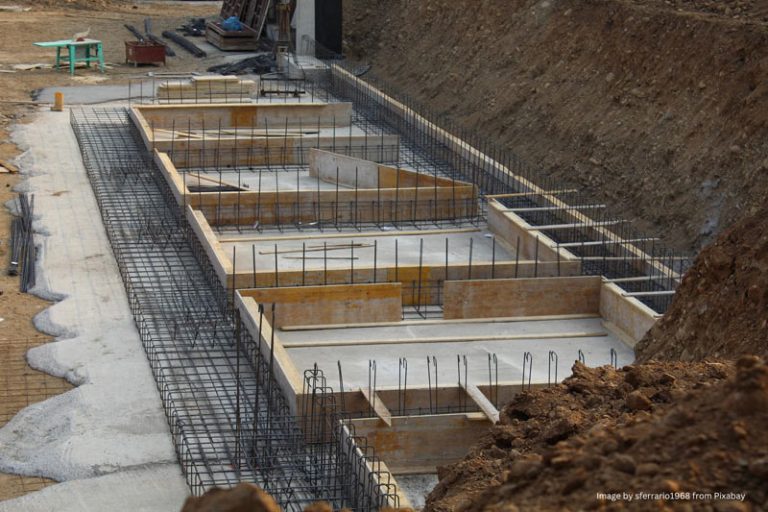
As foundations form the most important structural element of the house, many seismic retrofits begin with them first. When compromised, all other parts of your house are at greater risk.
Foundation repair may involve:
- Replacing deteriorated posts
- Adding new concrete pads or piers
- Repairing cracked or uneven concrete
- Fixing settling or sinking
- Introducing new anchors, bracing, or brackets
- Improving drainage around the house
A solid foundation ensures a sound and stable base before any further retrofitting is done.
Earthquake Preparedness for California Homeowners
While retrofitting strengthens your home, complete earthquake readiness involves more than just structural reinforcement. Homeowners should take additional steps to prepare their household and living space for emergencies.
Develop a Family Emergency Action Plan
Find safe spaces in each room, establish communication strategies, and ensure everyone knows evacuation routes.
Build an Emergency Kit
Your kit should include:
- Water and non-perishable food
- Flashlights, batteries, first-aid supplies
- Tools and personal medications
- Portable chargers or backup power sources
Secure Furniture and Appliances
Many injuries are from falling objects, not collapsing buildings. Secure:
- Bookshelves
- Televisions
- Water heaters
- China cabinets
- Tall dressers
Anchor anything that could fall and cause harm.
Review Your Insurance Coverage
Earthquake damage is usually not covered by typical homeowners’ insurance. Knowing what coverage you have helps secure your financial protection when a quake strikes.
By combining earthquake preparedness with structural retrofitting, homeowners achieve the highest level of safety possible.
Be the First to Act for a Safer and Stronger Home
Earthquake retrofitting is not just a home improvement that saves you money—it’s also for your family, your home, and your peace of mind. As California remains seismically active, doing this now means your home is safer from surprises to come.
Sure Safe specializes in foundation repairs, structural evaluations, and full seismic retrofits designed to strengthen homes across California. Whether your home has a crawl space, raised foundation, or pier-and-post system, our team customizes each project to meet your property’s specific needs and comply with California building codes.
Keep your home safe even before the next earthquake strikes. Schedule a free structural evaluation with Sure Safe and discover how a retrofit will improve stability and maintain your home’s long-term safety.