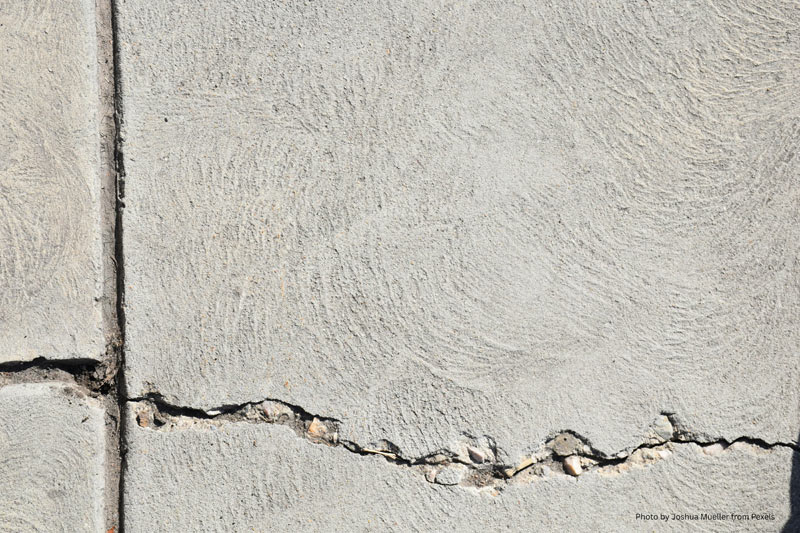
Concrete Crack Repair: Shrinkage vs. Settlement Cracks Explained
Not all concrete cracks mean the same thing—but misreading them can lead to costly mistakes. In San Diego, soil movement, coastal moisture conditions, and temperature shifts all influence how concrete behaves over time. That is why homeowners and property managers turn to Sure Safe for clear answers and reliable solutions. If you are researching concrete crack repair, understanding the difference between shrinkage and settlement cracks is the first step toward protecting your property.
Shrinkage cracks: common, predictable, and often cosmetic
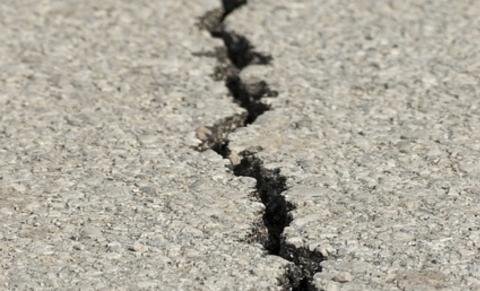
Shrinkage cracks form as concrete cures and loses moisture. This is a normal process, especially in Southern California’s dry climate. According to the American Concrete Institute, some degree of cracking is expected in concrete structures over time due to drying and environmental conditions. When curing happens too quickly or unevenly, small surface cracks can appear.
You will usually see:
- Thin, hairline cracks with minimal depth
- No vertical displacement
- Random or lightly patterned lines
- No related structural symptoms inside the home
At Sure Safe, these cracks are evaluated carefully to confirm they are non-structural. Although they may be cosmetic, they should not be ignored. Proper sealing can prevent water intrusion and surface deterioration—an important part of long-term concrete slab maintenance.
Settlement cracks: a sign of underlying movement
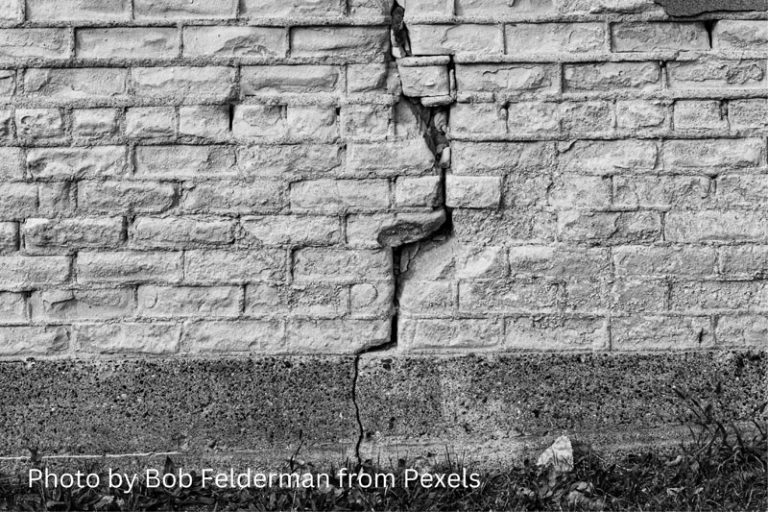
Settlement cracks require a different level of attention. These cracks form when the soil beneath a structure shifts, compresses, or loses support. In the San Diego area, this can result from expansive soils, poor drainage, or improper compaction during construction.
Typical warning signs include:
- Cracks that widen over time
- Diagonal patterns near doors, windows, or corners
- Uneven floors or sloping surfaces
- Doors and windows that begin sticking
If these warning signs are present on your property, then it may be time to consult foundation repair experts. At Sure Safe, we don’t just treat the surface alone; our team focuses on identifying the root cause through a detailed foundation crack inspection. That ensures repairs address the source—not just the symptom.
Concrete shrinkage cracks vs settlement cracks: how to evaluate
Distinguishing concrete shrinkage cracks from settlement cracks requires more than a visual check. A structured evaluation process should consider:
- Crack width, direction, and progression
- Location within the structure (slab, wall, or footing)
- Soil conditions and drainage patterns
- Signs of active movement vs. past settling
Shrinkage cracks remain stable. Settlement cracks change. That difference guides the repair strategy. Sure Safe’s approach prevents repeat failures by ensuring the correct solution is applied from the start.
Why Sure Safe is a trusted expert in San Diego
Choosing the right contractor is just as important as identifying the type of crack. Sure Safe has built its reputation on accurate diagnostics, transparent recommendations, and long-term repair solutions tailored to Southern California conditions.
What sets us apart:
- Local expertise in San Diego soil and foundation behavior
- Detailed inspections before any repair recommendation
- Solutions that address both surface damage and structural causes
- Clear communication so property owners understand the “why” behind every repair
Whether the issue is minor or structural, we provide guidance grounded in real-world experience—not guesswork.
When to schedule an inspection
Some cracks can wait. Others should be evaluated immediately. You should contact a professional if you notice:
- Cracks that are expanding or reappearing
- Water entering through concrete surfaces
- Uneven flooring or visible slab movement
- Cracks forming near load-bearing areas
Delaying an inspection can allow minor issues to develop into structural problems. Early expert evaluation often reduces both cost and disruption.
The right repair starts with the right diagnosis
Shrinkage cracks may only require sealing. Settlement cracks may require stabilization, drainage correction, or advanced structural crack repair methods. The difference comes down to cause—and that is exactly what Sure Safe is known for identifying.
Instead of applying temporary fixes, we deliver targeted solutions designed to last. This is why many homeowners and property managers rely on them when searching for dependable foundation repair contractors in San Diego.
FAQs
Are all concrete cracks serious?
No. Shrinkage cracks are often cosmetic, but settlement cracks may indicate structural movement and should be inspected.
How does a foundation expert determine the type of crack?
Through a detailed inspection process that evaluates crack behavior, soil conditions, and structural impact.
Can cracks come back after repair?
Yes—if the root cause is not addressed. That is why it is important to focus on preventing recurrence.
When should I call for an inspection?
If cracks are widening, leaking, or causing structural symptoms like uneven floors or sticking doors.
Does every crack require structural repair?
No. Some require sealing, while others need stabilization depending on the cause.
Why choose a local San Diego expert?
Local knowledge of soil and climate conditions leads to more accurate diagnoses and longer-lasting repairs.
Choosing the Right Concrete Crack Repair in San Diego, CA
Understanding the difference between shrinkage and settlement cracks is essential for making the right repair decision. While some cracks are a normal part of concrete curing, others point to movement that should not be ignored. The key is accurate diagnosis—not assumptions. With local expertise and a focus on long-term results, Sure Safe helps San Diego homeowners identify the true cause of cracking and apply the right solution the first time. If you are unsure what your concrete cracks mean, scheduling a professional inspection is the most reliable way to protect your property and avoid unnecessary repairs.